Source Rice Mill Emery Roller for Flour, Rice Flour, and Beans
Find and compare 30 Rice Mill Emery Roller options for processing wheat, rice flour, and beans. These units feature 380V voltage, ISO and CE standards, and customizable configurations to suit various milling applications.
Key considerations
Products List


High Quality Emery Roller for Rice Whitener Rice Mill Wooden Case Packing
$500.00 - $1000.00
MOQ: 10 PIECE


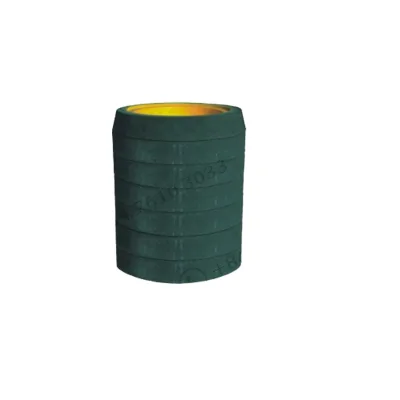
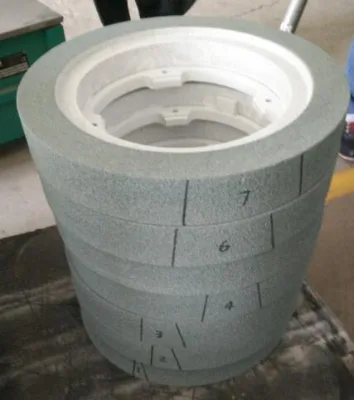
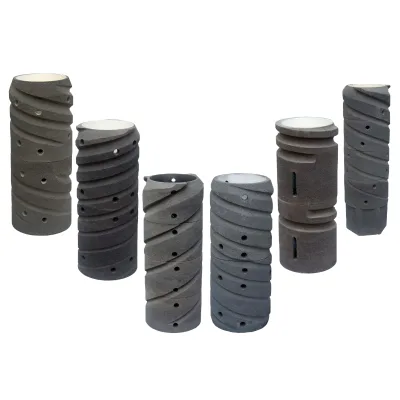
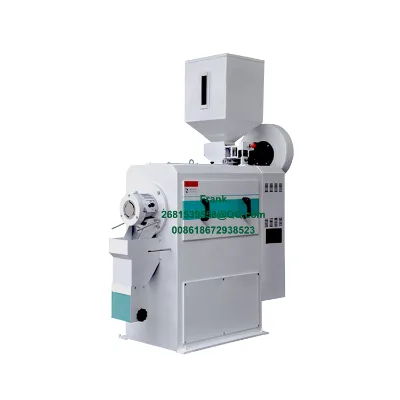
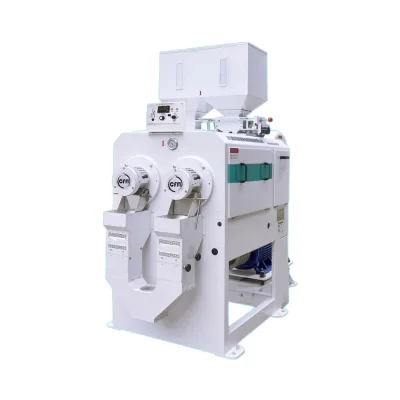


Clj High Quality Emery Roller for Rice Whitener Rice Mill Whitener Stone
$1500.00 - $8000.00
MOQ: 1 Pieces


Emery Roller for Bspb Whitener Machine Satake Whitener Machine Stone
$1500.00 - $8000.00
MOQ: 1 Pieces
Comprehensive Sourcing Guide
Rice Mill Emery Roller Sourcing Guide
Sourcing high-performance emery rollers for rice milling operations requires a disciplined approach to technical verification and supplier qualification. These critical components serve as the primary interface for rice whitening, where the abrasive surface removes the bran layer to produce polished white rice. Buyers must navigate a market characterized by diverse model specifications, varying material compositions, and fluctuating commercial terms. This guide provides a structured framework for evaluating listings, verifying technical integrity, and establishing long-term supply chain reliability for rice mill emery rollers.
The procurement process begins with a clear understanding of the product scope and the signals present in current market listings. By analyzing observed data points, buyers can distinguish between standard off-the-shelf components and customized solutions tailored to specific milling capacities. This section outlines the typical applications, observed listing characteristics, and the initial filters necessary to narrow down potential suppliers effectively.
Product Scope and Observed Listing Signals
The primary application for rice mill emery rollers is the whitening and polishing stage of rice processing, specifically targeting rice flour and whole grain rice. These rollers are integral to rice mill machinery, where they work in conjunction with other components to achieve the desired degree of whiteness and kernel integrity. The observed product scope includes various models designed for different throughput requirements, with applications extending to wheat and other grains in some configurations. Buyers should recognize that while the core function remains consistent, the specific roller geometry and abrasive grade may vary based on the target end-product, whether it is whole grain rice or fine rice flour.
Current market listings reveal a wide range of specifications and commercial signals that buyers must interpret carefully. Observed data indicates a price range from 20 to 15,000 USD, reflecting significant variation in size, material quality, and customization levels. Minimum Order Quantities (MOQ) typically range from 1 to 100 units, suggesting flexibility for both single-unit replacements and bulk procurement. Listings also highlight attributes such as horizontal or vertical appearance, indicating compatibility with different mill orientations. Additionally, packaging methods vary from plywood boxes to seaworthy packing, which is crucial for protecting the delicate abrasive surface during international transit.
Technical Specifications to Verify
Verifying technical specifications is paramount to ensuring compatibility with existing milling equipment. Buyers must confirm the exact model number, such as 10 inch, 20 inch, or specific codes like SM18 B and MNMS 18-75, to match the roller with the mill’s housing and shaft dimensions. The overall length, external diameter, and single package size are critical measurements that determine physical fitment. For instance, some listings specify an external diameter of 150mm and an overall length of 400mm, while others may offer different dimensions. Misalignment in these physical attributes can lead to installation failures or inefficient milling performance, so precise dimensional verification is essential before placing an order.
Beyond physical dimensions, buyers must assess the material composition and operational parameters of the emery roller. The core component often includes a PLC-controlled system for automated operation, and machinery test reports should be provided to verify performance under load. Weight specifications, such as 30kg or 50kg gross weight, impact handling and installation logistics. Furthermore, the voltage requirement, typically 380V for industrial machinery, must be compatible with the buyer’s facility power supply. Customization options are available, allowing for tailored solutions, but buyers must clearly define whether they require customized or non-customized units to avoid mismatches in abrasive grit or roller hardness.
Compliance and Safety Documentation
Compliance with international standards is a key indicator of manufacturing quality and safety. Listings frequently reference ISO and CE certifications, which suggest adherence to European safety and quality management principles. Specifically, ISO9001 certification indicates a robust quality management system, ensuring consistent production standards. Buyers should request valid certification documents to verify that the supplier maintains these standards throughout the manufacturing process. While some listings mention specific weight standards like 25KG or 400KG, these likely refer to packaging or load limits rather than regulatory compliance, so buyers must distinguish between commercial specifications and legal certifications.
Safety documentation should also include detailed machinery test reports and operational manuals. These documents provide evidence that the roller has undergone rigorous testing for durability and performance. Buyers should ensure that the supplier provides comprehensive after-sales service support, typically lasting one year, to address any technical issues that may arise post-installation. This support is crucial for maintaining operational continuity and resolving any compliance-related concerns that may emerge during the initial phases of use. Verifying the availability of these documents helps mitigate risks associated with non-compliant or poorly tested equipment.
Cost Drivers and Commercial Terms
Understanding the factors that influence pricing is essential for effective budget management. The observed price range of 20 to 15,000 USD is driven by several variables, including the roller’s size, material quality, and level of customization. Larger rollers or those with specialized abrasive compositions command higher prices. Additionally, the inclusion of advanced features, such as PLC integration or specific packaging requirements, can increase the overall cost. Buyers should analyze these cost drivers to determine the value proposition of each listing and avoid overpaying for unnecessary features or underpaying for substandard materials.
Commercial terms, including MOQ and packaging, also play a significant role in the total cost of ownership. MOQs ranging from 1 to 100 units allow for flexible purchasing, but bulk orders may offer economies of scale. Packaging methods, such as plywood boxes or seaworthy packing, affect shipping costs and the risk of damage during transit. Buyers should negotiate clear terms regarding delivery, payment, and warranty to ensure a transparent transaction. Understanding these commercial dynamics helps buyers optimize their procurement strategy and align purchasing decisions with their operational needs and budget constraints.
Supplier Qualification and Quality Control
Supplier qualification is a critical step in mitigating procurement risks. Buyers should verify the supplier’s origin, with many listings indicating production in Shandong, China, a known hub for machinery manufacturing. However, geographic origin alone is not a guarantee of quality. Buyers must assess the supplier’s track record, production capabilities, and quality control processes. Requesting references or case studies from previous clients can provide insights into the supplier’s reliability and the performance of their emery rollers in real-world milling operations.
Quality control measures should be rigorously evaluated before finalizing a purchase. Buyers should inquire about the supplier’s inspection protocols, including pre-shipment testing and dimensional checks. The provision of machinery test reports is a positive indicator, but buyers should also request detailed specifications on the abrasive material and its durability. Engaging with suppliers who offer comprehensive after-sales service, such as a one-year warranty, demonstrates confidence in their product quality. Establishing a clear communication channel for technical support ensures that any issues can be addressed promptly, minimizing downtime and maintaining milling efficiency.
Long-Term Procurement Checks
Establishing long-term procurement relationships requires ongoing monitoring and evaluation. Buyers should regularly review the performance of the emery rollers in their milling operations, tracking metrics such as wear rate, whitening efficiency, and maintenance frequency. This data-driven approach helps identify trends and potential issues early, allowing for proactive adjustments to procurement strategies. Consistent performance over time is a strong indicator of supplier reliability and product quality, reinforcing the value of the initial investment.
Continuous engagement with the supplier is also essential for long-term success. Buyers should maintain open lines of communication to discuss any technical updates, new product offerings, or changes in commercial terms. Regular feedback on product performance can help suppliers improve their offerings and better meet the buyer’s needs. Additionally, staying informed about industry standards and technological advancements ensures that the buyer remains competitive and efficient in their milling operations. By prioritizing long-term checks and supplier collaboration, buyers can secure a stable and high-quality supply of rice mill emery rollers.
FAQs
What is the typical voltage requirement for rice mill emery rollers?
The standard voltage for these rice mill emery rollers is 380V. This specification is common for industrial milling equipment in many regions. Buyers should verify their local power supply compatibility before ordering to ensure safe and efficient operation of the machinery.
What materials can rice mill emery rollers process?
These rollers are designed to process rice, wheat, flour, and beans. The application range includes specific rice flour and general flour processing. The emery roller mechanism is effective for whitening and polishing these grains to meet various quality standards.
What certifications are available for rice mill emery rollers?
Suppliers offer products with ISO and CE certifications. Some listings also specify ISO9001 standards. These certifications indicate compliance with international quality and safety management systems, which is important for buyers seeking reliable and compliant industrial equipment.
What is the after-sales service duration for these rollers?
The standard after-sales service provided is one year. This period typically covers technical support and assistance with any initial operational issues. Buyers should confirm the specific terms of the warranty and service scope with the supplier before finalizing the purchase.
What packaging options are available for rice mill emery rollers?
Common packaging includes plywood boxes, cartons, seaworthy packing, and wooden packing. The choice of packaging depends on the shipping method and destination. Seaworthy packing is particularly important for international shipments to ensure the product arrives in good condition.
Can rice mill emery rollers be customized for specific needs?
Yes, customization is available for these rice mill emery rollers. Buyers can request specific modifications to suit their milling requirements. It is advisable to discuss detailed specifications with the supplier to ensure the customized product meets your operational needs.
What is the typical capacity of Rice Mill Emery Roller systems?
The capacity for these systems is often listed as 4-6 tons per hour. This range is suitable for medium to large-scale rice milling operations. Buyers should assess their production volume to ensure the selected capacity aligns with their business requirements.